Aeri
AI-powered preventative care contact lens for diabetes with AR integration, exploring a more proactive alternative to today’s reactive management tools.

Tools







Overview
Aeri was created for the Parsons x University of Arizona 24-hour AI Hackathon, where teams were assigned. It is an AI-powered preventative care concept designed for people managing Type 2 diabetes.
The project explores a more proactive alternative to today's reactive health tools by helping users anticipate changes earlier. Aeri combines continuous sensing, predictive AI, and an augmented reality interface to deliver clearer, more actionable guidance throughout the day.
Design Challenge
What if diabetes care could become more preventative?
Diabetes treatments today are reactive
Most tools surface glucose and trends, but they still lean on the person to interpret what it means and what to do next.
Care often stays reactive: responding after numbers shift instead of helping people anticipate what is coming.
Shifting toward proactive care
We set out to design a system that helps people act before issues intensify. We focused on the management of Type 2 diabetes approaching the problem through earlier awareness, clearer guidance, and more confident decision-making.
Our solution, Aeri, is an AI-powered preventative care concept that utilizes an AR-integrated contact lens to help users anticipate changes earlier throughout the day.
A new frontier in diabetes management
A more supportive experience
Aeri's core experience is built around four connected parts: live interventions, daily overviews, metric breakdowns, and user controls. Together, they make health insights more useful, timely, and actionable.
User controls also give people more choice over what is surfaced, how prominently it appears, and when they are notified.
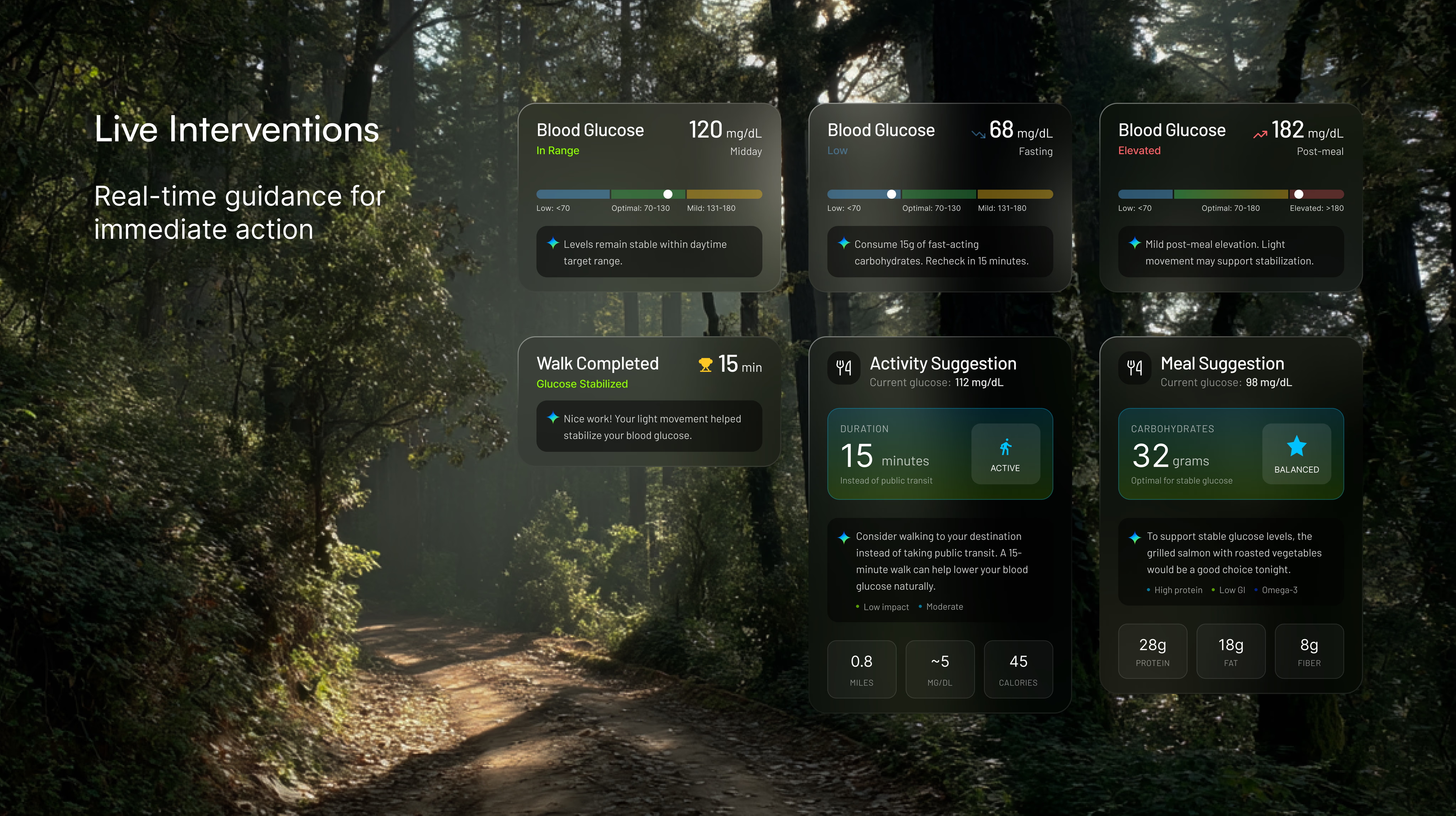
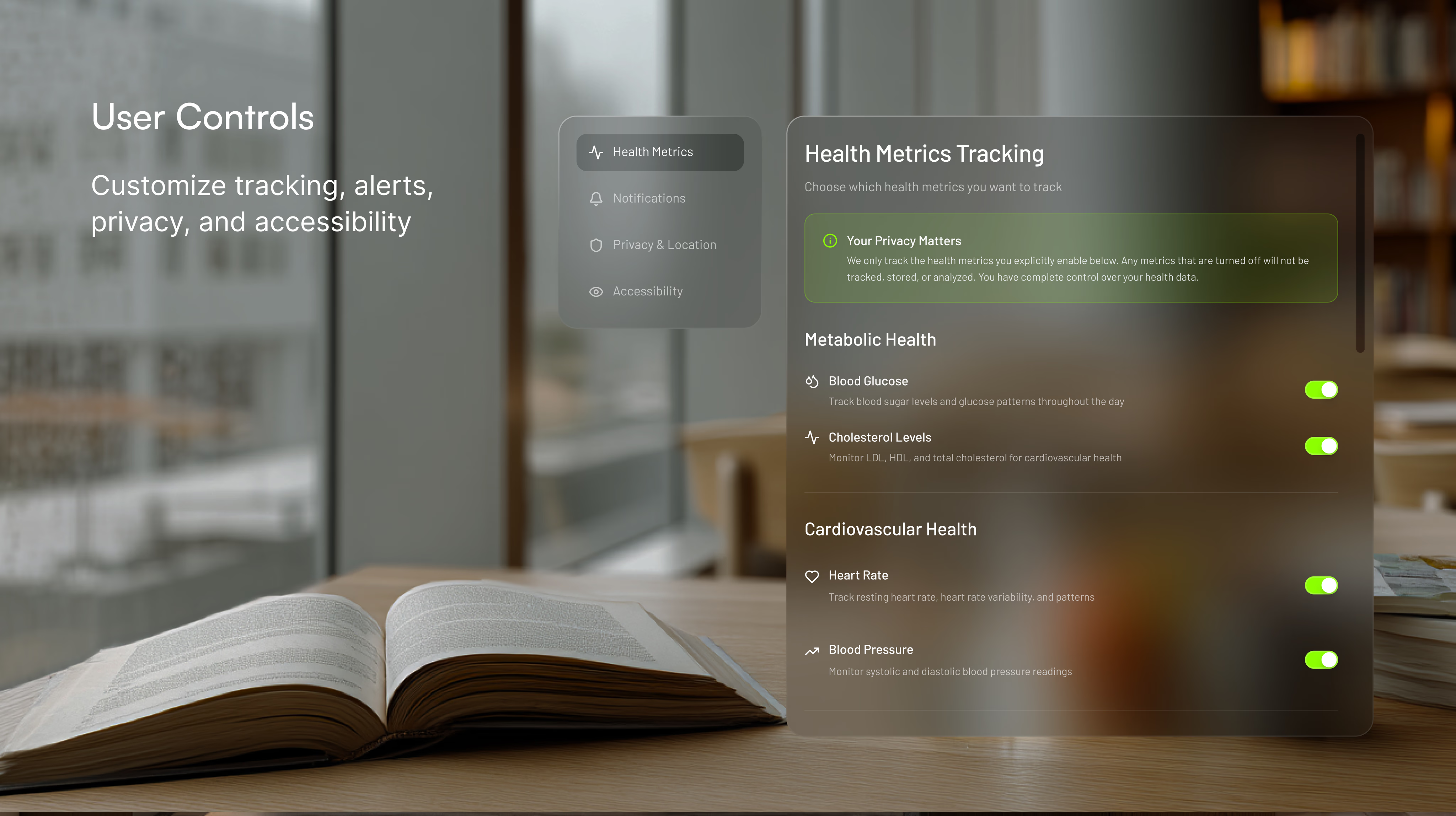
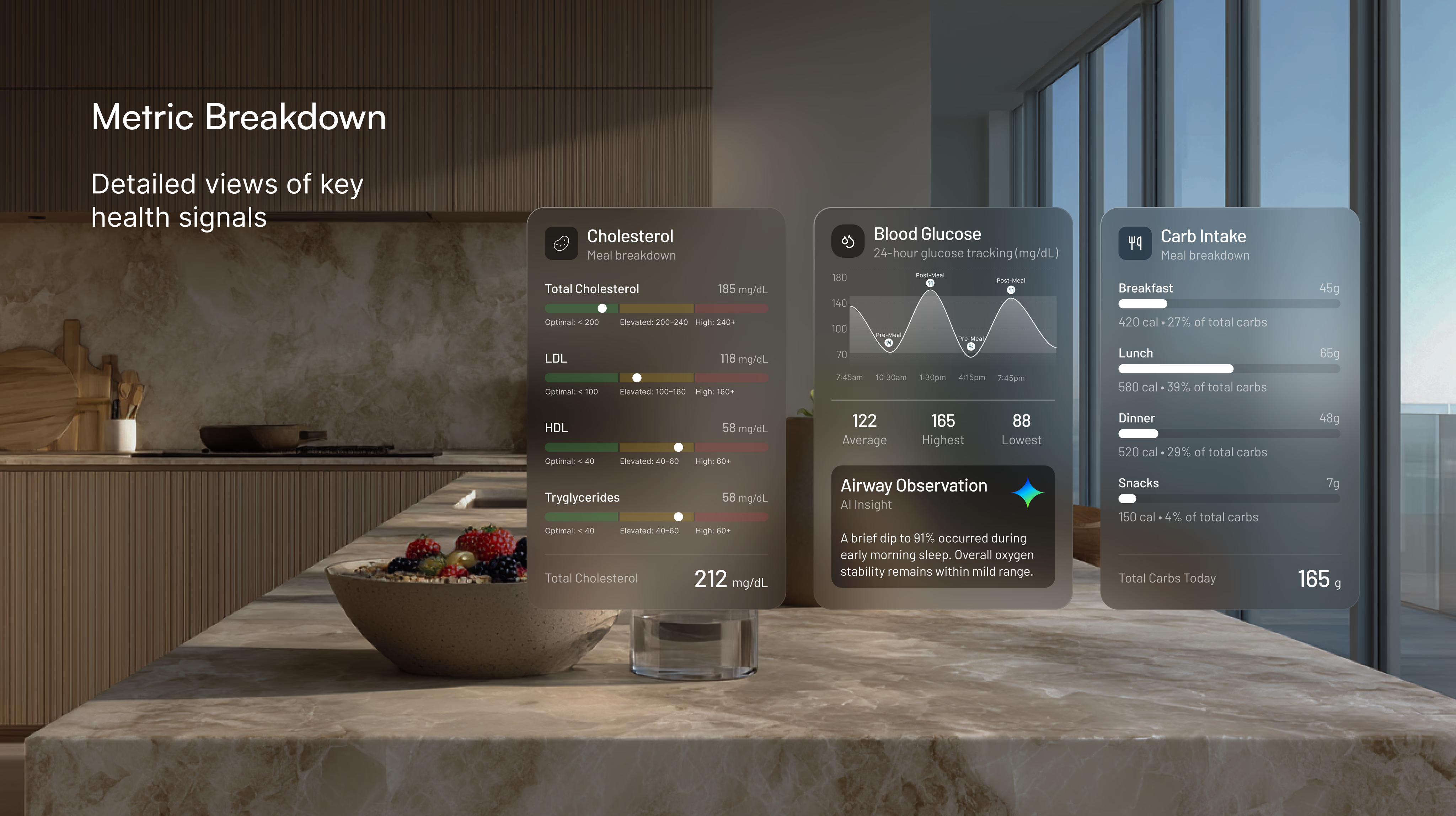
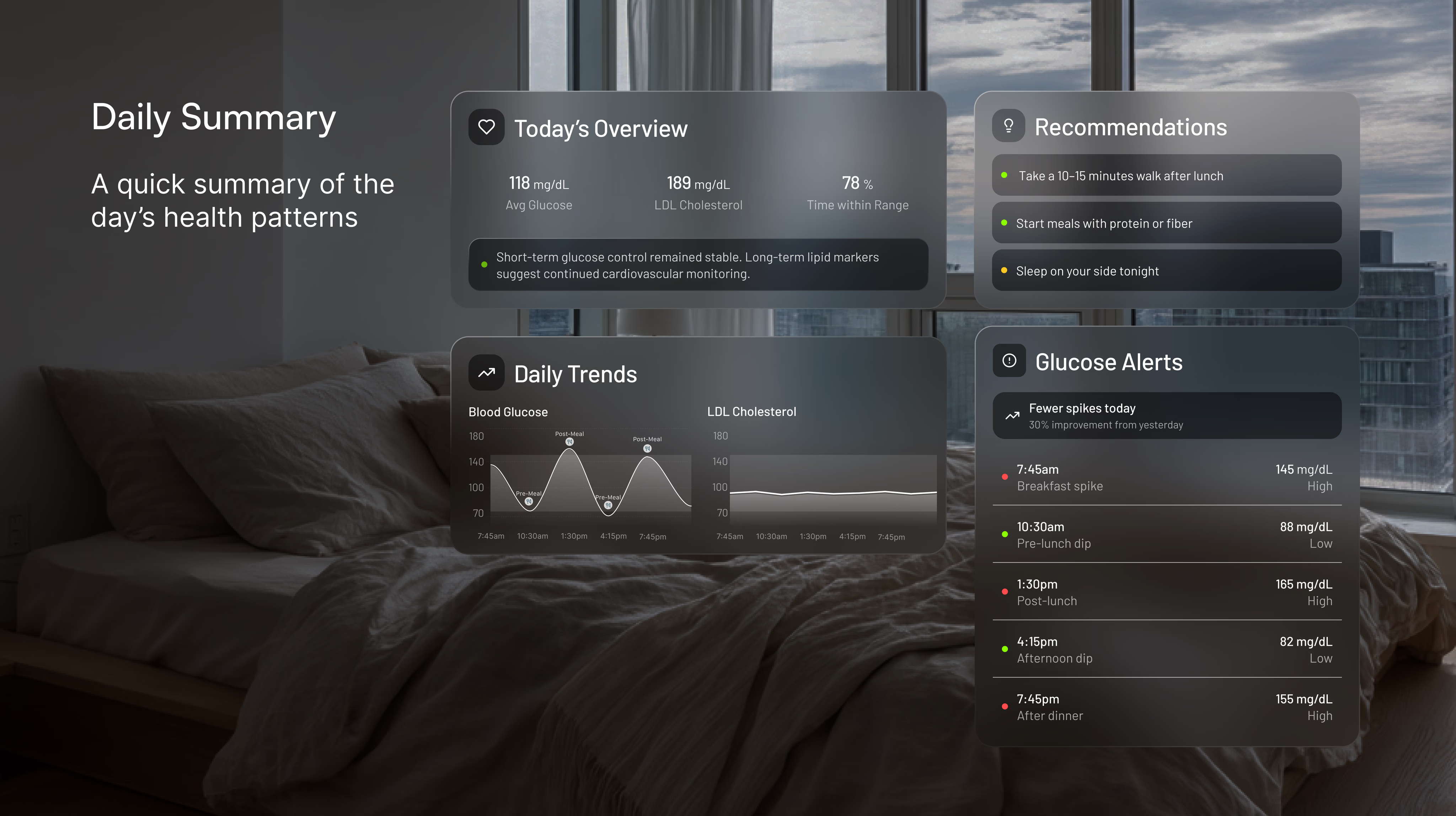
Aeri is structured across three integrated layers
-
Glucose Biosensor
- Continuously tracks metabolic signals
- Captures glucose data in real time
- Sends readings to a connected system
-
Smart Lens
- Delivers support through an AR lens
- Surfaces guidance within the user's view
- Reduces the need to check a separate device
-
AI Integrated Interface
- Detects patterns across glucose and behavior
- Predicts shifts before they escalate
- Turns data into timely recommendations
More than 1 in 10 adults worldwide
Stat from International Diabetes Federation
A growing global health reality
Its scale reflects a growing need for tools that better support the ongoing decisions, adjustments, and mental effort of daily care. Managing diabetes is not limited to isolated moments of checking a number. It is shaped by repeated choices around food, activity, sleep, stress, and routine, all of which can influence glucose levels throughout the day.
As a result, care often becomes a continuous process of monitoring, interpreting, and responding. This creates an opportunity to design tools that do more than report data by offering guidance that feels more supportive, timely, and easier to live with.
Revealing the gap
Conversations and user interviews point to a system that interrupts daily life rather than supporting it: frequent sensor failures, constant replacements, and the need to repeatedly check numbers create frustration and fatigue. Instead of feeling supported, many feel tethered to their devices, managing alerts, troubleshooting issues, and trying to make sense of inconsistent readings.
Tracking diabetes data isn't easy
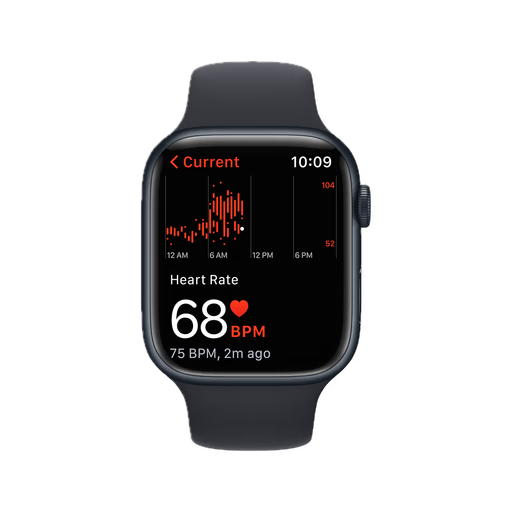
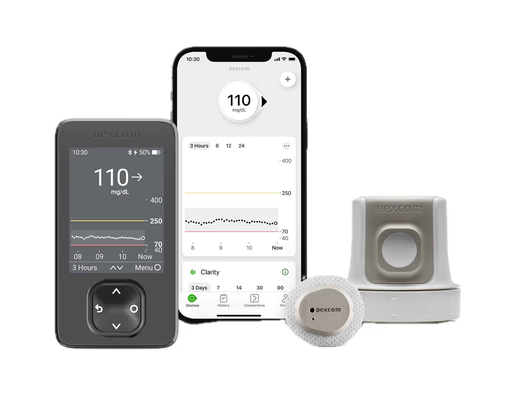
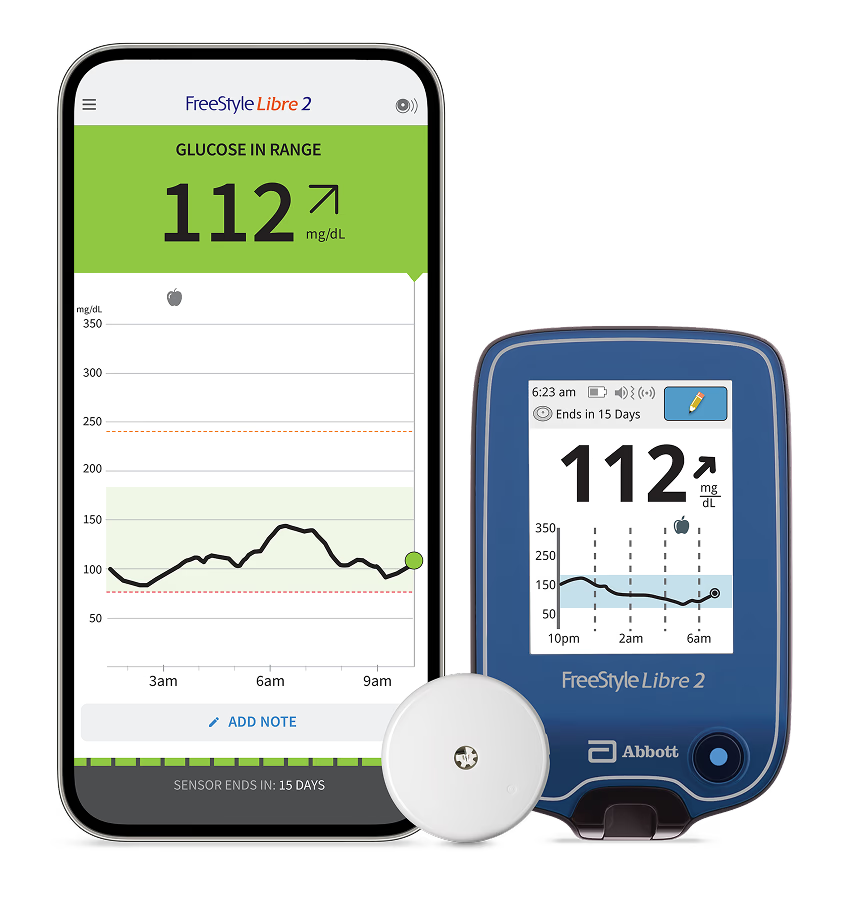
Across the category, products have improved in sensing accuracy, connectivity, and real-time display. However, reliability issues, short sensor lifecycles, and fragmented device ecosystems continue to introduce friction.
As conditions become more complex, the operational overhead increases highlighting an opportunity to reduce system friction and create a more seamless experience that requires less active management from the user.
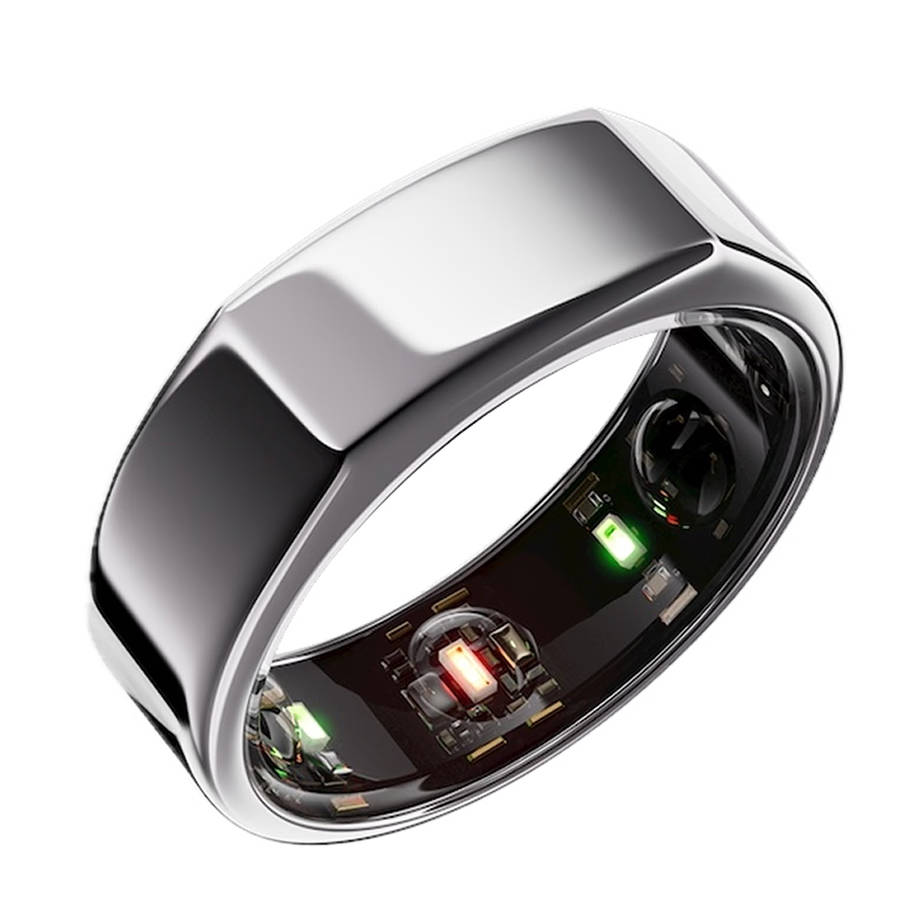
Translating ideas into a working vision
-
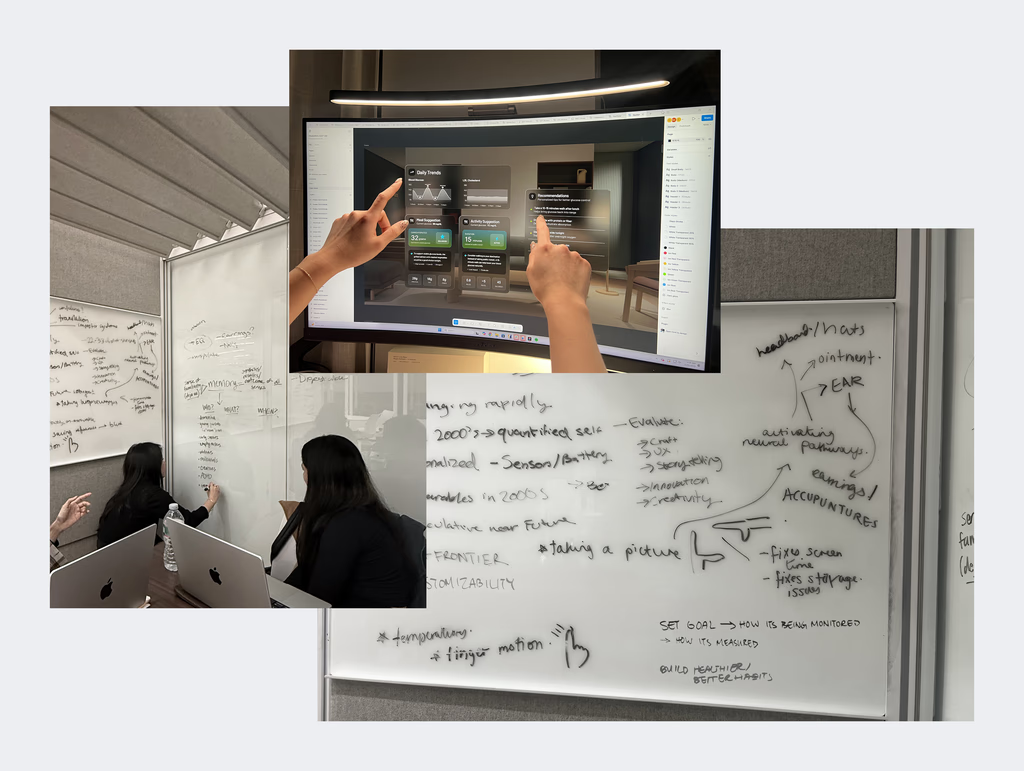
Whiteboarding
- Mapped early system directions
- Explored sensing, prediction, and interaction flows
- Tested multiple concepts to identify viable pathways
-
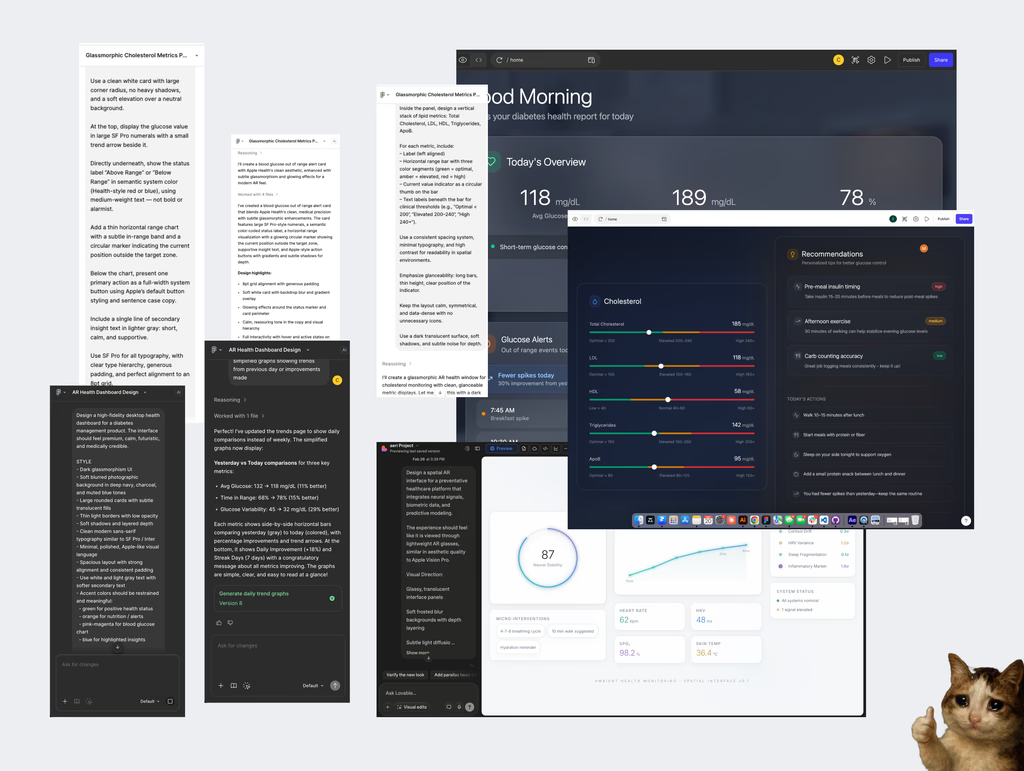
Prompting
- Generated interface behaviors
- Explored interactions at higher fidelity
- Evaluated clarity, usability, and feasibility
-
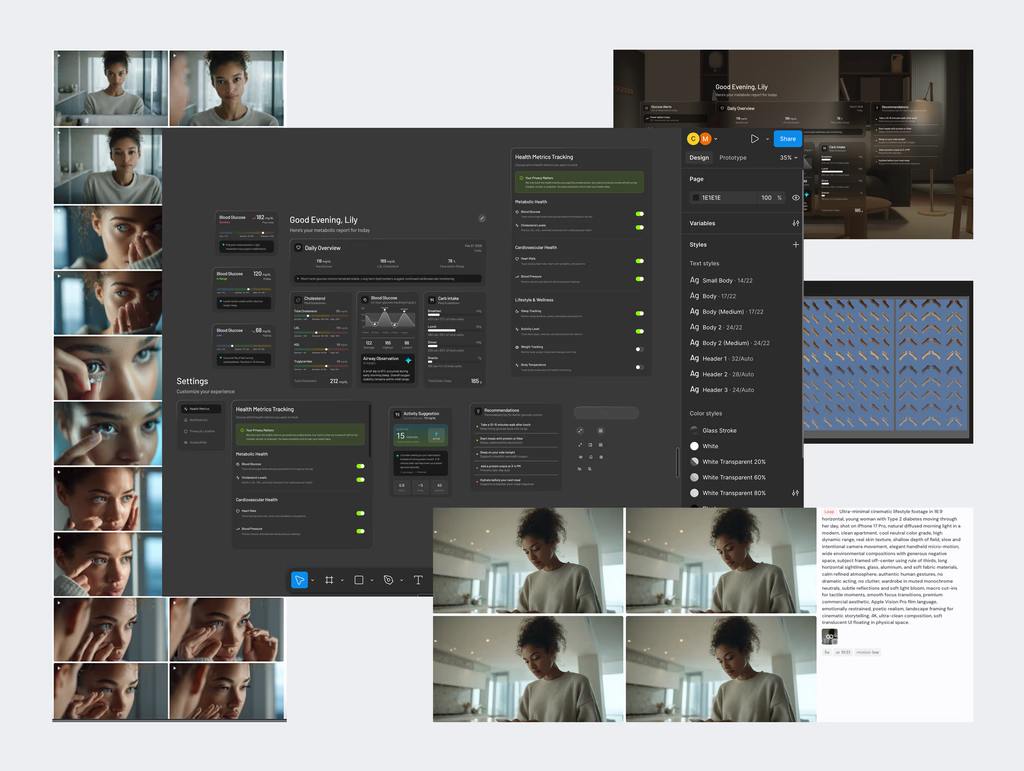
Asset Creation
- Built interface and visual system outputs
- Developed scenes to show the product in context
- Refined consistency across touchpoints
Proactive care, guided in real time
Our takeaways
Working through a 24-hour sprint
Working in a collaborative sprint setting reinforced the importance of aligning early, defining roles quickly, and a shared understanding of the concept.
Working with AI
I learned to use AI as a tool to accelerate exploration and production, while staying intentional in directing and refining outputs. Strong results came from guiding, editing, and curating rather than relying on it passively.
Working with complex systems
I learned how to simplify a complex system under time pressure by focusing on what is most relevant to the user. This meant prioritizing clarity over completeness and translating technical logic into understandable moments of guidance.